Why the Scopes Trial (1925) is Still Relevant
Eugenie C. Scott
Sunday, August 16, 2026
2:30 PM PACIFIC TIME
********************************************^^^^^^************
This is a Zoom meeting.
Please register:
You will recieve a confirmation email with the logn information
| |
||
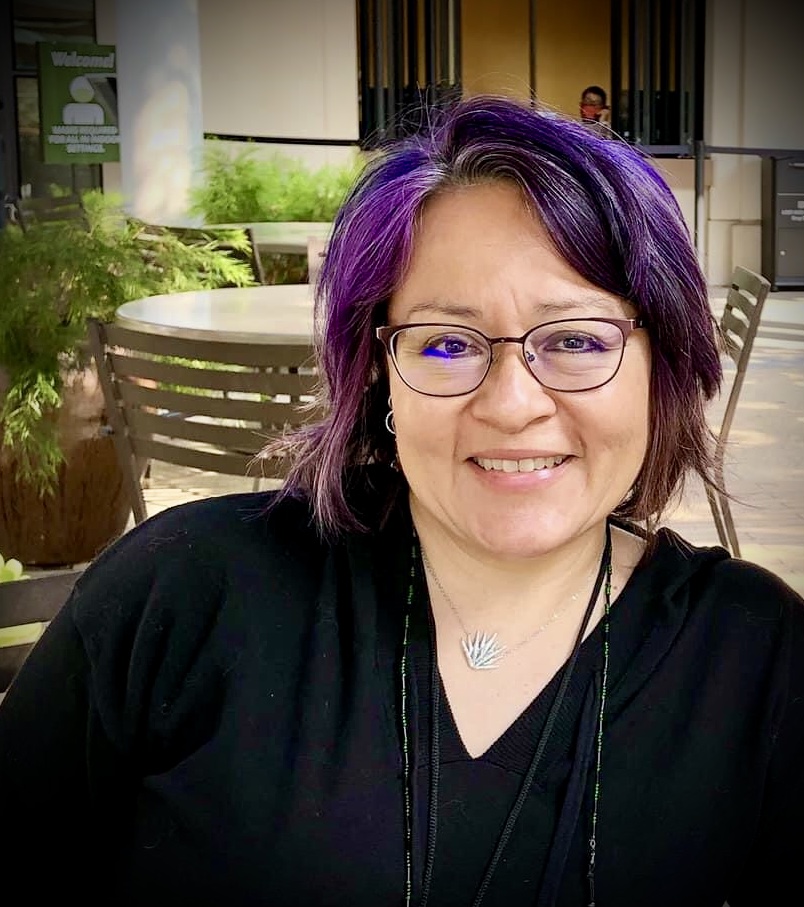 Plants Misbehaving Sandy Masuo Sunday, January 18, 2026 2:30 PM PACIFIC TIME ********************************************^^^^^^************ This is a Zoom meeting. Please register: https://livepresentation.link/JAN You will receive a confirmation email with the logn information. |
Plants Misbehaving Once upon a time, “weird” referred to the supernatural—anything eerie, fantastic, or mysterious. Today, most plants are viewed as anything but. They are conventionally perceived as passive organisms that serve us as ornamental components of gardens and homes or crops that yield food, textiles, medicines, and shelter. But even the most demure, thoroughly domesticated plant is capable of magical behaviors, and nature abounds with truly strange plants that defy our expectations of “vegetation.” Discover some of these weird and wonderful denizens of the plant kingdom. Sandy Masuo is an editor, educator, author, and conservationist on a mission to enlighten and to inspire wonder in the world around us. She currently serves as the botanical content specialist at The Huntington Library, Art Museum, and Botanical Gardens. Prior to that she was the associate editor in the Los Angeles Zoo publications division for 18 years. In 2016, she published her debut novel (as Rosana DuMas). Unnatural Selection: Life and Death on the Paper Trail is the story of a horticulturist/detective investigating the dubious death of a zoo docent. She has taught fiction and business writing as well as a variety of classes from succulent gardening to bird watching at local community colleges. She holds a BA from Brown University and an Ed. M from the Harvard Graduate School of Education. |
|
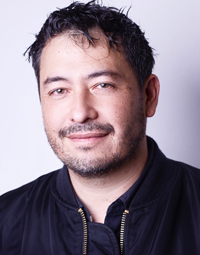 From Earth To Mars Steps Toward the First Human Journey to the Red Planet Pascal Lee, Phd Director, NASA Haughton-Mars Project SETI Institute, Mars Institute, Kepler Space University & NASA Ames Research Center Sunday, February 15, 2026 2:30 PM PACIFIC TIME ********************************************^^^^^^************ This is a Zoom meeting. Please Register https://livepresentation.link/FEB You will receive a confirmation email with the logn information. 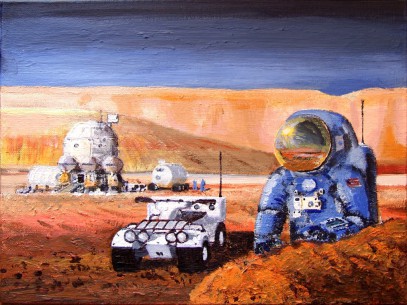 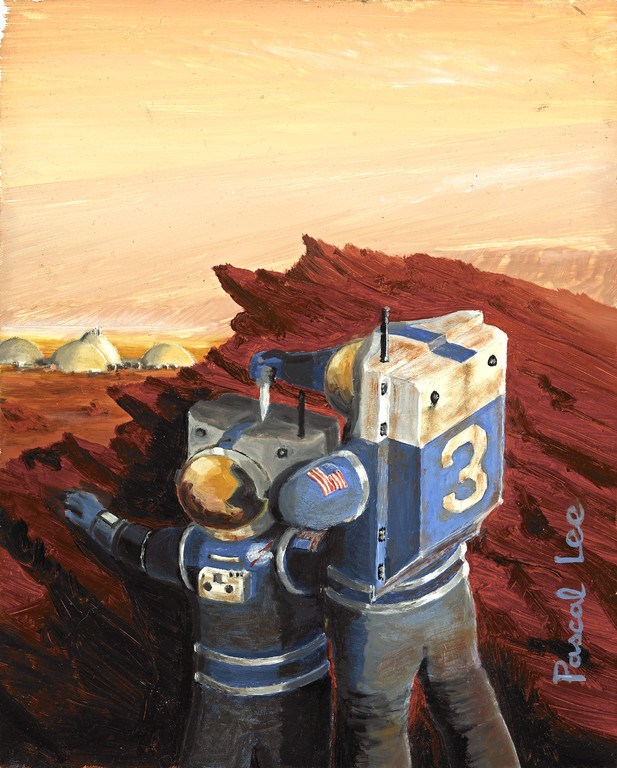 |
From Earth To Mars Steps Toward the First Human Journey to the Red Planet The first human mission to Mars will be humanity’s greatest adventure in space exploration this century. As with all expeditions, its success depends on planning. The first steps are already under way, as we build more efficient rockets, achieve longer space flights, plan our return to the Moon, and work in extreme environments on Earth viewed as Mars “analogs” We will discuss progress made around the world, from the Arctic to Antarctica, from basement labs to the International Space Station and the Artemis Program, to achieve the first human voyage to Mars. We will examine in turn the what, why, how, when, and who of the first human mission to Mars. ` Dr Pascal Lee is a planetary scientist with the SETI Institute, the Mars Institute, and NASA Ames Research Center in Mountain View, California. He is the director of the NASA Haughton-Mars Project, the leading planetary analog field research project on Devon Island in the High Arctic. He is also professor of planetary science at Kepler Space University. Pascal Lee studied physics and geology at the University of Paris-Sorbonne, and earned a PhD in astronomy and space sciences from Cornell University where he was Carl Sagan’s last T.A. He is internationally recognized for his work on the history of water on Mars, the study of ice and caves on the Moon and Mars, the origin of Mars’ moons, and planning the future human exploration of Mars. Dr Lee has led over 30 expeditions to the Arctic and Antarctica to study Mars by comparison with the Earth. He also led the Northwest Passage Drive Expedition, the subject of the award-winning motion picture documentary film Passage To Mars (2016). Pascal Lee is also committed to science education. His first book, Mission: Mars, won the 2015 Prize for Excellence in children’s science books from the American Association for the Advancement of Science. Dr Lee is recipient of The United States Antarctica Service Medal
The National Space Society Space Pioneer Award for Science and Engineering The Space Frontier Foundation’s Vision to Reality Award, The Sagan Prize for the Popularization of Science. In his free time, Pascal likes to be walked by his dog Apollo, fly, and paint. He is an FAA-certified helicopter commercial pilot and flight instructor. His oil paintings on Mars exploration and spacetime travel are in collections worldwide. |
|
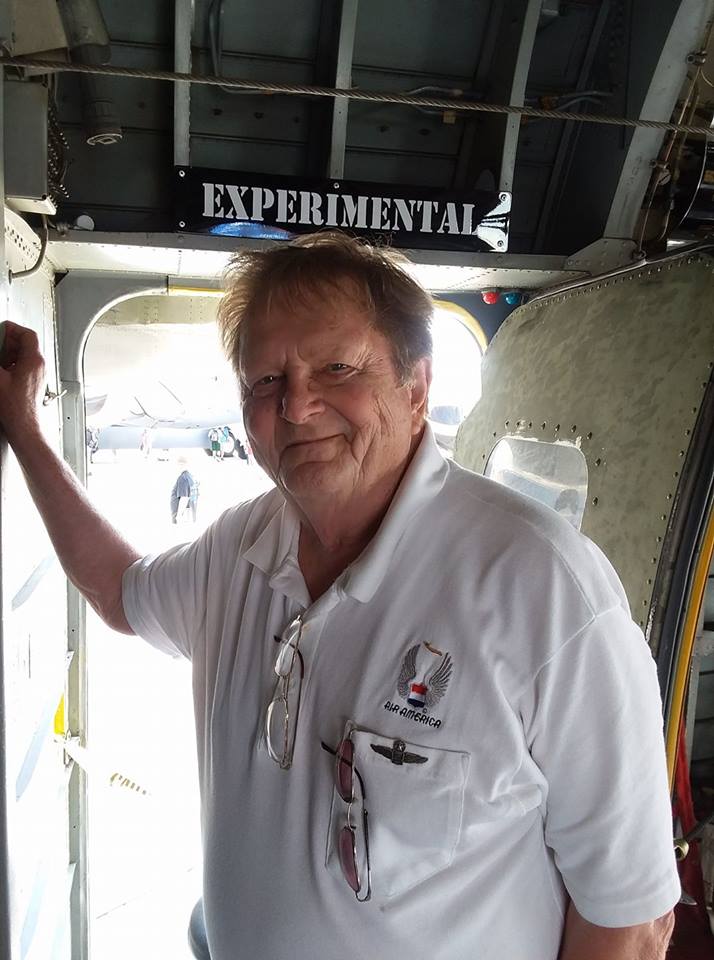 Flying for the CIA's Air America, Pablo Escobar, and Jimmy Hoffa Neil Hansen Sunday, March 15, 2026 2:30 PM PACIFIC TIME *******************************************^^^^^^************ This is a Zoom meeting. Please register: https://livepresentation.link/MAR You will receive a confirmation email with the logn information. |
Flying for the CIA's Air America, Pablo Escobar, and Jimmy Hoffa In 1964, Captain Neil Graham Hansen embarked on a journey that would become the adventure of a lifetime. He hired on as a pilot for Air America — the CIA’s airline that operated during the Vietnam era and the “Secret War” in Laos and Cambodia — officially neutral countries, but the scene of countless U.S. covert operations. Even though he had already been a pilot for more than half his life, had worked as now-disappeared Teamster leader Jimmy Hoffa’s private pilot, and later ran drugs for the Colombian cartels, flying for the CIA’s secret air service was the pinnacle of Hansen’s career — a dream come true that eventually turned his life into a nightmare. Air America’s operations were unknown. Its schedules were irregular. Its pilots were shadow people, whose personnel, Hansen says, “cannot be filed neatly under anything resembling normal sanity.” It was the world of spooks, covert air ops, and adventure! Captain Hansen will take us directly into the cockpit, onto dirt mountaintop landing strips, and into his most harrowing experiences: being shot down in Laos, flying the last plane out of Cambodia just hours before it fell to the Khmer Rouge and began a holocaust that would ultimately take the lives of 1.7 million people. We’ll accompany him down the road of self-destruction, and beside him as he regains a foothold on the path to integrity. For more information, see the Air America Historical Social Club’s Facebook page. Captain Neil Hansen received a commercial pilot's license in high school before he even had a driver's license. He spent more than a decade in Southeast Asia during the Vietnam War era as a captain for Air America, accumulating more than 29,000 hours of flight time, 9,000 hours in a combat zone. He served as an advisor to the director of the 1990 movie “Air America” starring Mel Gibson and Robert Downey, Jr. Gibson’s character in the movie was patterned after Hansen’s “antics” reported in the Christopher Robbins book of the same name. Hansen’s book "FLIGHT: An Air America Pilot's Story of Adventure, Descent and Redemption" was published by History Publishing Company. His writing has also appeared in various other publications, and he has been a frequent guest on the interview and speaker circuit. He makes his home in Oshkosh, Wisconsin. Email: weirdneil@msn.com |
|
 The Role of the Amygdala in Social Thinking Your ‘Lizard Brain’ Talking Dr. Rodrigo Braga Sunday, April 19, 2026 2:30 PM PACIFIC TIME ********************************************^^^^^^************ This is a Zoom meeting. Please register: https://livepresentation.link/APR You will receive a confirmation email with the logn information. |
The Role of the Amygdala in Social Thinking Your ‘Lizard Brain’ Talking New findings from human brain mapping studies show that when we think about other people, we recruit a network of brain regions that includes an evolutionarily ancient structure called the amygdala. The amygdala works with parts of the brain that have expanded dramatically in recent human evolution, including regions called the “default network” that are used for introspective thinking. This has arguably been key to our ability to coordinate extremely large social groups and civilization. Dr. Braga will talk about the evolution of the human brain, the functions of the default network, and then describe how the amygdala may be selectively talking to the parts of the brain involved in social thinking. Dr. Rodrigo Braga is an Assistant Professor of Neurology at Northwestern University's Feinberg School of Medicine. Rodrigo earned his PhD at Imperial College London, before training as a postdoc at Harvard and Stanford Universities. Rodrigo's research focuses on the organization of the brain, including how brain networks in expanded parts of the human brain support cognitive functions that humans excel at, including language and social reasoning. Rodrigo also studies neurological conditions including neurodegenerative diseases, epilepsy, and stroke. In his spare time, Rodrigo performs as a musician and singer. He received a BS from the University of Edinburgh (2006), a MRes from Imperial College London (2010), and a PhD from Imperial College LondonK (2014). |
|
| Why the Scopes Trial (1925) is Still Relevant Eugenie C. Scott Sunday, August 16, 2026 2:30 PM PACIFIC TIME ********************************************^^^^^^************ This is a Zoom meeting. Please register: You will receive a confirmation email with the logn information. |
Why the Scopes Trial (1925) is Still Relevant Trial of the Century”: Tennessee vs. John T. Scopes. The first major sally against the teaching of evolution in the US, and, mostly because of the fictional play and movie Inherit the Wind, Scopes is wrongly perceived as a victory for evolution over the forces of obscurantism. The full story is much more complex and interesting, involving science, religion, law, education, politics, celebrities, modern communications, and the politicization of science. Dr. Eugenie C. Scott is an expert on the creationism and evolution controversy and science denialism. The former director of the National Center for Science Education, she is the recipient of numerous awards from scientists and educators, and has been awarded ten honorary degrees. Asteroid 249540 Eugeniescott was named for her but she assures us it is not aimed at Earth. |
|
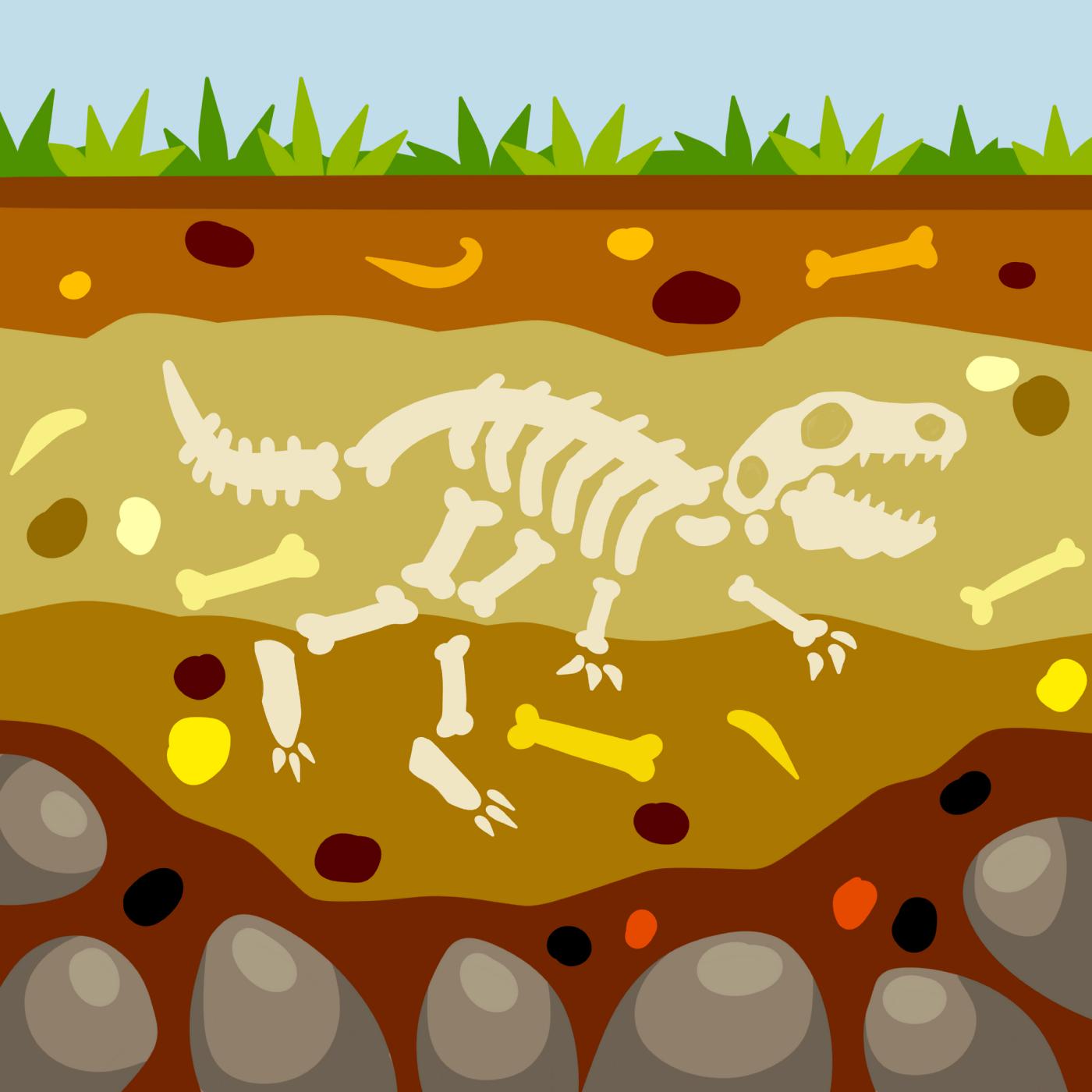 Paleontology Far More Than Just New Fossil Discoveries Roy E Plotnick Professor Emeritus, University of Illinois Chicago Sunday, June 21, 2026 2:30 PM PACIFIC TIME Thisis a Zoom meeting Please register: https://livepresentation.link/JUN You will receive a confirmation email with the logn information. |
Paleontology Far More Than Just New Fossil Discoveries Paleontology is one of the most popular yet most misunderstood fields of science. Paleontologists are assumed only to be interested in dinosaurs and are imagined as bearded white men in battered cowboy hats, with hammers and whisk brooms. Instead, paleontologists are a markedly diverse group of scientists who use cutting-edge methods. Headlines over exciting new fossils grossly underestimate the true importance of paleontology. Its real significance lies in how such discoveries illuminate the grand history of life on Earth. From its beginnings more than three billion years ago to the present day, fossils record how life adapted or perished in the face of major environmental challenges. Paleontologists know that understanding life’s past is critical to anticipating and adapting to life’s and humanity’s futures. Paleontology is vital because it brings its unique and critical perspective to current challenges in climate change, biodiversity loss, and the environment. Roy Plotnick is an invertebrate paleontologist at the University of Illinois Chicago, where he joined the faculty in 1982, and is currently Professor Emeritus. He is a Research Associate at the Field Museum. Plotnick is a Fellow of both the Geological Society of America and the Paleontological Society and was an Edward P. Bass Distinguished Visiting Scholar at Yale University. He is the author of Explorers of Deep Time: Paleontologists and the History of Life (2022, Columbia University Press). His degrees include an A.B. from Columbia University, 1976; an M.S. from the University of Rochester, 1978; and a PhD from the University of Chicago, 1983. |
|
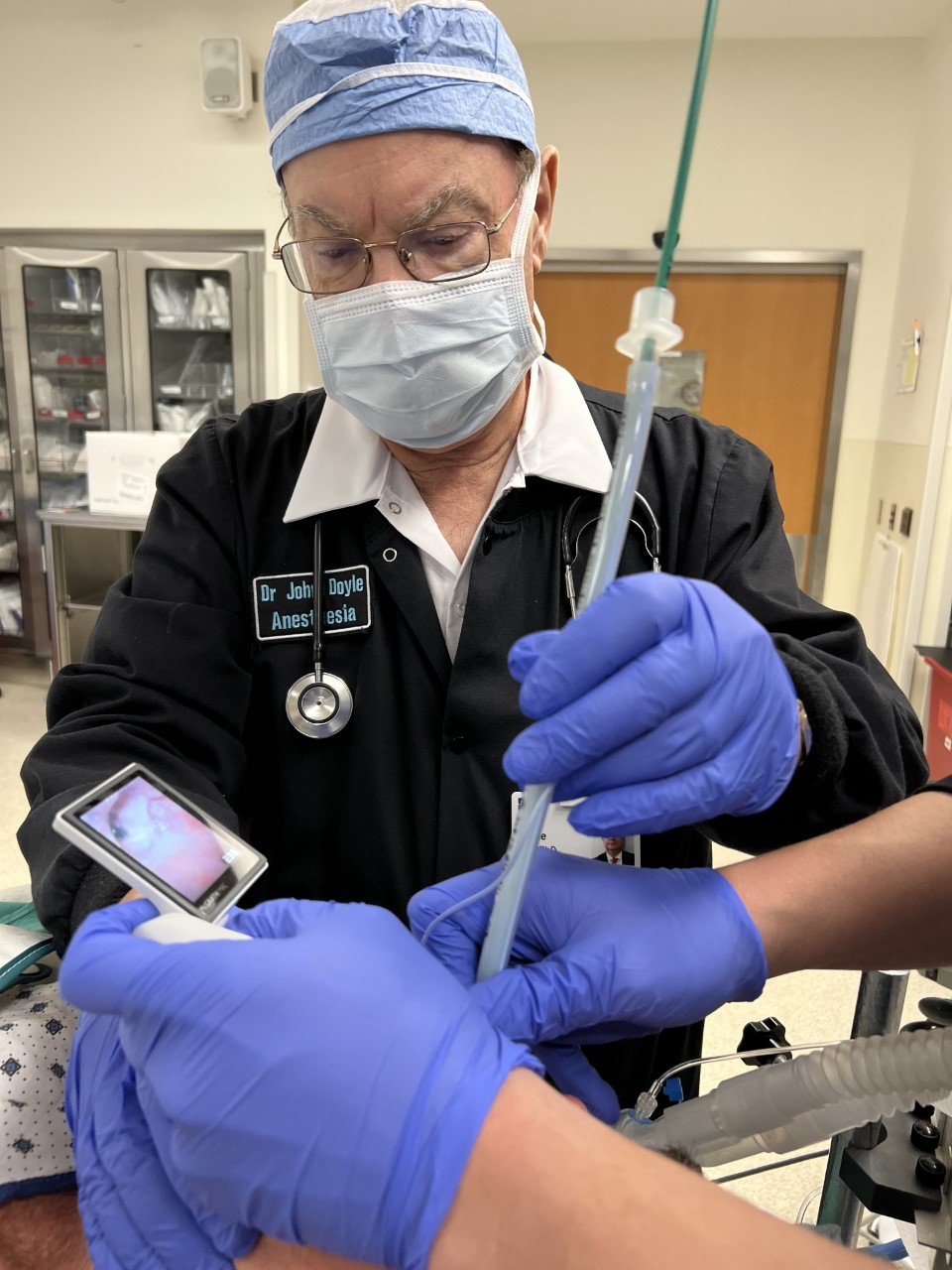 Medical AI Examples, Opportunities, and Cautionary Tales Dr. Daniel John Doyle Sunday, July 19, 2026 2:30 PM PACIFIC TIME ********************************************^^^^^^************ This is a Zoom meeting. Please register: https://livepresentation.link/JULY You will receive a confirmation email with the logn information. |
Medical AI Examples, Opportunities, and Cautionary Tales This talk is an exploration of the state of artificial intelligence (AI) in the field of medicine aimed at the intelligent public. By highlighting real-world examples, discussing potential opportunities, and examining cautionary tales, the talk aims to provide a balanced perspective on the role of AI in healthcare. The presentation will introduce the audience to the types of AI and its applications in medicine and showcase notable examples where AI has already demonstrated its value, such as in medical imaging interpretation, early disease detection, precision medicine, and robotic surgery. Through these examples, attendees will witness the potential transformative power of AI in improving patient outcomes, enhancing diagnostics, and optimizing treatment plans. Dr. Daniel John Doyle is a Professor Emeritus at Case Western Reserve University. Trained as an electrical engineer and an anesthesiologist, he holds M.D., Ph.D., and D.Phil. degrees and has edited or written several books, the latest being What Does It Mean to be Human? Life, Death, Personhood and the Transhumanist Movement. |
|
| . |
|
|
| |
||